The Past is Present: Your Guide to Vintage Inspired Ring Settings
What Are Vintage Engagement Ring Settings?
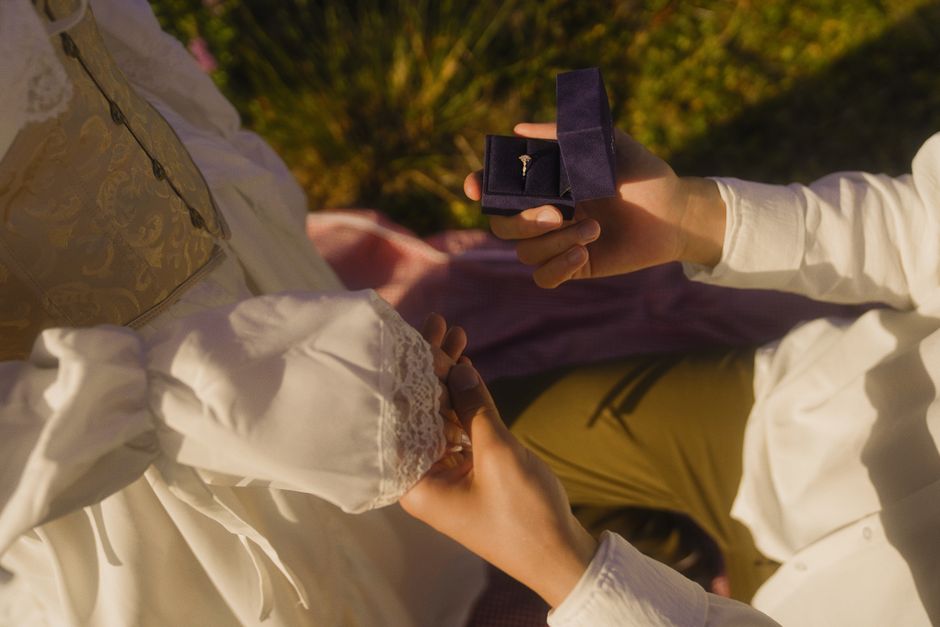
Vintage engagement ring settings are ring mountings inspired by jewelry styles from past eras — typically anything made or designed more than 20 years ago. Here's a quick overview to help you find what you're looking for:
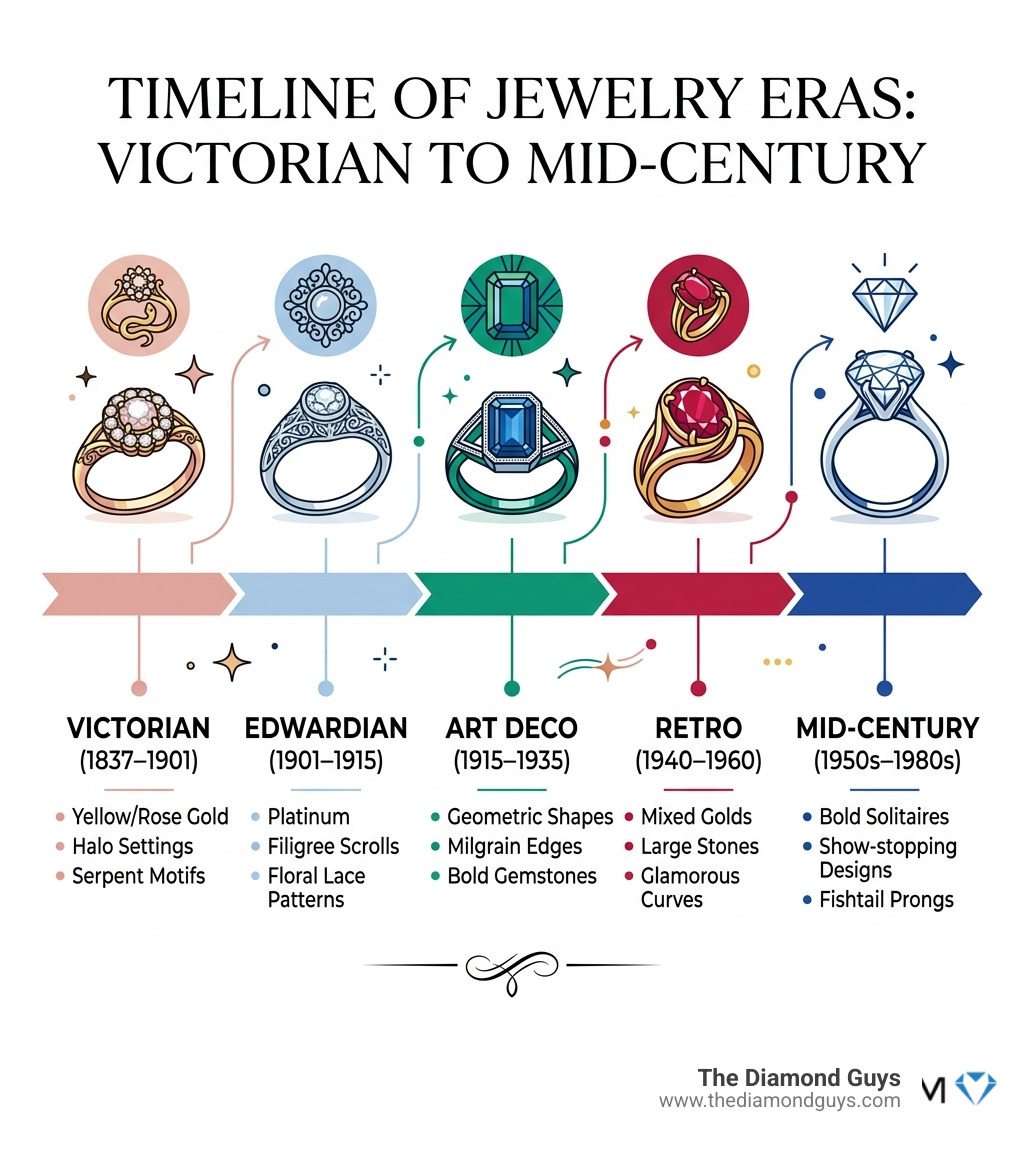
| Era | Approx. Dates | Key Style Features |
|---|---|---|
| Victorian | 1837–1901 | Yellow/rose gold, halo settings, serpent motifs |
| Edwardian | 1901–1915 | Platinum, filigree scrolls, floral lace patterns |
| Art Deco | 1915–1935 | Geometric shapes, milgrain edges, bold gemstones |
| Retro | 1940–1960 | Mixed golds, large stones, glamorous curves |
| Mid-Century | 1950s–1980s | Bold, show-stopping solitaires, fishtail prongs |
Quick distinction: Vintage means over 20 years old. Antique means over 100 years old. Most "vintage-style" rings sold today are modern reproductions — built to look period-authentic but crafted with today's standards.
In 2026, vintage-inspired designs are more popular than ever. Buyers are drawn to their handcrafted detail, romantic character, and heirloom quality — things that feel worlds apart from the clean minimalism of modern settings.
Whether you're pairing a loose diamond with an Art Deco mounting or searching for an authentic Victorian piece, this guide walks you through everything you need to know — from historical eras and design motifs to metals, stones, and maintenance.
I'm Morgan Price, a jewelry and SEO content specialist with deep experience researching vintage engagement ring settings across retail, estate, and custom reproduction markets. In the sections ahead, I'll break down every key decision point so you can shop with total confidence.
Historical Eras and Signature Styles
When we talk about vintage engagement ring settings, we aren't just talking about one look. We are looking at a century of evolving art, technology, and culture. Each era has a "soul" that speaks to different personalities. Some people love the soft, romantic curves of the Victorian age, while others crave the sharp, rebellious lines of the Art Deco period.
At The Diamond Guys, we’ve found that understanding these eras helps you narrow down your search from thousands of options to the one that truly resonates with your story. If you're ready to start your search, you can Shop Vintage Engagement Ring Settings at The Diamond Guys to see these historical inspirations brought to life.
Victorian Romanticism (1837-1901)
The Victorian era was defined by Queen Victoria’s own tastes, which were deeply sentimental and romantic. In the early part of this era, yellow gold and rose gold were the kings of the jewelry world.
Signature features include:
- Halo Settings: While popular today, the halo actually dates back to the 1700s and was a Victorian staple. These halos often used smaller diamonds or pearls to surround a center stone.
- Serpent Motifs: After Prince Albert gave Victoria a snake-themed engagement ring (symbolizing eternal love), serpent rings became a massive trend.
- Old Mine Cuts: Before modern machinery, diamonds were cut by hand into "Old Mine" shapes—cushion-like stones with high crowns and large facets that glow beautifully in candlelight.
Edwardian Sophistication (1901-1915)
The Edwardian period was all about lightness, airiness, and extreme detail. This was the "Belle Époque," and the jewelry reflected a sense of high-society elegance.
- Platinum Debut: This was the era where platinum became the metal of choice. Because platinum is so strong, jewelers could create incredibly thin, lacy designs that looked like "frozen lace" but remained durable.
- Filigree and Garlands: You’ll see a lot of flowing scrolls, floral patterns, and motifs that look like ribbons or wreaths (garlands).
- Delicate Openwork: Edwardian vintage engagement ring settings often feature "piercing" or open spaces within the metal, making the ring look weightless on the finger.
Art Deco Boldness (1915-1935)
As we moved into the 1920s, the soft florals of the past were replaced by the "Machine Age." Art Deco is perhaps the most requested vintage style in Scottsdale today.
- Geometric Shapes: Think triangles, squares, and hexagons. These rings are symmetrical and architectural.
- Bold Accents: It was common to see diamonds paired with vibrant sapphires, emeralds, or rubies in "caliber cuts"—stones custom-cut to fit perfectly into the geometric metalwork.
- Emerald and Asscher Cuts: These step-cut diamonds became the height of fashion, emphasizing clarity and clean lines over the round brilliance of earlier eras.
- Milgrain Detailing: This era perfected the use of tiny metal beads along the edges of the setting, adding a "beaded" texture that defines the Art Deco look.
Popular Motifs in Vintage Engagement Ring Settings

What makes a ring "vintage" isn't just the date it was made; it's the specific design techniques used to decorate the metal. For those looking for a deep dive into local options, our Ultimate Vintage Engagement Rings Scottsdale Guide covers how these motifs appear in our local collections.
The Art of Filigree and Milgrain
If you look closely at a vintage engagement ring setting, you’ll often see detail that looks like it was woven rather than cast.
- Filigree: This is the art of twisting thin threads of precious metal into intricate patterns—often scrolls or flowers—and soldering them to the ring. It creates a lacy, openwork effect that is very difficult to replicate without skilled artisan craftsmanship.
- Milgrain: Derived from the French "mille-grain" (a thousand grains), this technique involves creating tiny beads along the edges of the metal. It adds a vintage "frame" to the design and gives the ring a sense of depth and texture.
Floral and Nature-Inspired Elements
Nature has always been a primary muse for jewelry designers. In vintage settings, you’ll find:
- Leaf and Vine Motifs: Often engraved or sculpted into the "shoulders" (the sides) of the ring.
- Flower Baskets and Crowns: Some settings, especially from the Georgian and Victorian eras, feature "crown mountings" or basket styles that hold the diamond in a way that looks like a blooming flower.
- Butterfly Shoulders: A whimsical touch found in some 1920s reproductions where the metalwork on the side of the center stone resembles delicate wings.
Customizing Your Vintage Engagement Ring Settings
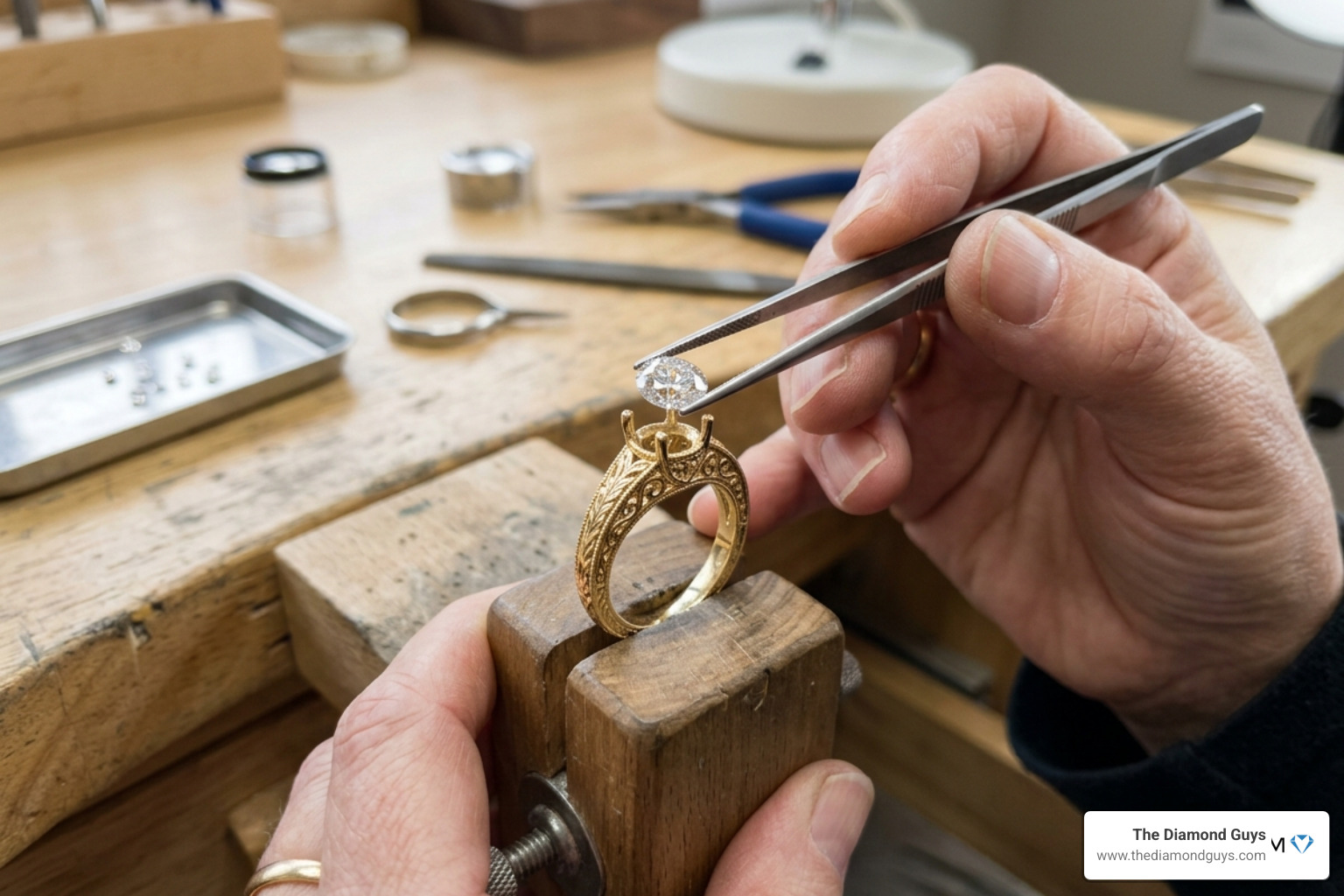
One of the best things about the current jewelry landscape in Phoenix and Scottsdale is that you don't have to settle for a pre-made ring. You can Build Your Own Vintage Engagement Ring by choosing a reproduction setting and pairing it with the perfect stone.
Selecting Stones for Vintage Engagement Ring Settings
While modern Round Brilliant diamonds are the standard, they can sometimes look "too bright" for a delicate vintage mounting. To stay authentic, consider:
- Old European Cuts: These are the ancestors of the modern round cut. They have a smaller table and a higher crown, giving off "chunky" flashes of light rather than the "crushed ice" look of modern stones.
- Rose Cuts: These stones are flat on the bottom and domed on top with facets that resemble a rosebud. They have a subtle, watery glow.
- Asscher and Cushion Shapes: These shapes fit naturally into the geometric frames of Art Deco settings.
- Lab-Grown Options: In 2026, many couples are choosing lab-grown diamonds for their vintage settings. This allows for a larger, higher-quality stone while maintaining ethical sourcing and a lower price point.
Metal Choices and Color Palettes
The metal you choose for your vintage engagement ring settings significantly impacts the "vibe" of the piece:
- Platinum: The gold standard for Edwardian and Art Deco styles. It is naturally white, hypo-allergenic, and incredibly durable. Over time, it develops a "patina" (a soft matte finish) that many vintage lovers prefer.
- 18K Yellow Gold: Perfect for Victorian or Retro styles. It provides a warm, classic look that makes diamonds pop.
- 14K Rose Gold: Often used in Mid-Century and late Victorian designs, rose gold offers a romantic, pinkish hue that complements all skin tones.
- Mixed Metals: We often see "two-tone" designs, such as a yellow gold band with a platinum or white gold head (the part that holds the diamond). This ensures the diamond stays white while the band provides the warmth of gold.
Modern Reproductions vs. Authentic Antiques
This is the big question for many buyers: Should I buy a "real" antique or a "vintage-style" new ring?
Benefits of Vintage-Style Reproductions
While authentic antiques carry a sense of history, modern reproductions (like the ones we specialize in at The Diamond Guys) often offer better long-term value for daily wear.
- Structural Integrity: Metals fatigue over 100 years. A new reproduction is cast or hand-forged with fresh metal, meaning the prongs are stronger and the band is less likely to crack.
- Precise Sizing: Authentic antiques can be difficult to resize without damaging intricate filigree. With a reproduction, we build the ring specifically for your finger size.
- Secure Prongs: Modern jewelry technology allows for more secure settings, protecting your precious center stone from falling out—a common heartbreak with worn-down antique prongs.
- Ethical Sourcing: By building a new ring, you can ensure that both the metal and the stones are ethically sourced.
For those interested in a one-of-a-kind look that combines the old and the new, we recommend exploring Custom Vintage-Style Jewelry Design at The Diamond Guys.
Caring for Your Vintage Setting
Whether old or new, vintage engagement ring settings require a bit more love than a plain solitaire band.
- Professional Cleaning: Dirt loves to hide in filigree and milgrain. A professional ultrasonic cleaning every 6 months will keep it sparkling.
- Prong Inspection: Because many vintage styles use "double prongs" or delicate "petal prongs," have them checked annually to ensure they haven't snagged or lifted.
- Gentle Polishing: Avoid heavy polishing machines on detailed engravings, as this can wear down the "crispness" of the design over time.
Frequently Asked Questions
What is the difference between carat weight and CTTW?
When shopping for vintage engagement ring settings, you'll see two terms. Carat Weight usually refers to the size of the single center stone. CTTW (Carat Total Weight) refers to the combined weight of all the diamonds in the ring, including the tiny "melee" diamonds in the halo or along the band. In vintage rings with lots of detail, the CTTW can be significantly higher than the center stone weight.
Are vintage engagement ring settings durable for daily wear?
Yes, especially if they are modern reproductions. However, because these rings often feature intricate metalwork, they are slightly more "grabby" than smooth modern bands. We recommend removing your ring during heavy activities like gym workouts or gardening to protect the delicate filigree.
How do I pair a vintage setting with a wedding band?
Vintage rings are rarely "flush-fit," meaning a straight wedding band might leave a small gap against the engagement ring. Many people love this "gap" look as it feels authentic to the era. However, if you want a seamless look, we recommend Contour Bands or Chevron Styles that curve around the head of your vintage setting.
Conclusion
Finding the perfect engagement ring is about more than just the 4Cs; it’s about finding a piece that feels like it has a story to tell. Vintage engagement ring settings offer a level of character, romance, and artisan detail that is simply unmatched by modern mass-produced jewelry.
At The Diamond Guys, we pride ourselves on providing expert guidance to help you navigate these historical styles. Whether you are looking for the geometric precision of the Art Deco era or the lacy elegance of the Edwardians, our team in Scottsdale is here to help you create or find a piece that will be cherished for generations.
Ready to learn more about the stones that go into these beautiful settings? Check out our Lab Diamond Jewelry Store Guide for everything you need to know about modern, ethical diamond choices.